

“Say sorry” says the mother to her two year old son, after he accidentally bumped into another kid in the playground. “Sorry” says the boy, as if a little button was pushed and out came the required word.
I have compassion for the mother, who, I’m guessing, wants her son to belong in the world, fit into society. But this blog is not about that – it is about the impact when we are taught to ‘say sorry’ but not invited to connect with regret or mourning. It’s when ‘sorry’ becomes a meaningless word, a shortcut or a ‘get out of jail’ card. Just say the magic word and then we can carry on with what we are doing, without getting in touch with our feelings and needs.
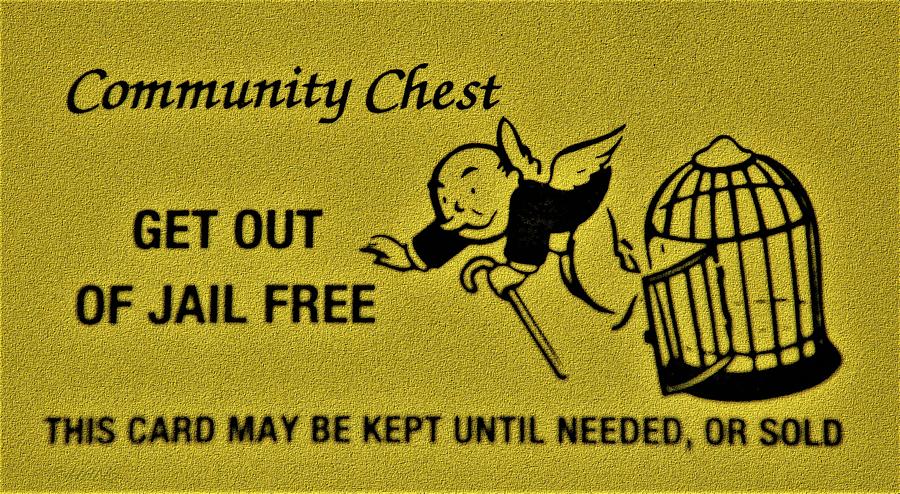
The other day I was in the supermarket and I bumped (every so slightly) into someone. Guess what… I said ‘sorry’ and the OTHER person also said ‘sorry’! 🤣This word has gotta be the most accepted, involuntary response in the world… to even say ‘sorry’ when you didn’t do anything except going about your shopping.
So what are we trying to do, when we want to apologise? It is often an attempt at repair: a sincere expression acknowledging responsibility, regret, interest in the other person’s experience and your impact on them, and follow-through to create change, repair, or remedy. And yes, sometimes the word ‘sorry’ can express some of that. But mostly it is pretty empty.
Marshall Rosenberg explores what an apology in giraffe looks like, in this 8 mins video:
If we consider ourselves to have done something wrong, our apology will come from a jackal energy and this is unlikely to be supportive for you or the other person. Ultimately it is not about whether we use the word ‘sorry’ or not… it is about the thinking that we did something ‘wrong’, which leads us to say a hollow ‘sorry’. There is no such thing as a bad person, or doing something wrong – only actions that we can mourn as they didn’t meet our needs.
I personally don’t try to completely avoid the words “I’m sorry”–but I like being mindful that I come from a place of connection when I say them. Usually more needs to be said than just “I’m sorry”–a heartfelt apology-to-connect includes an exploration of what happened, empathy for feelings and needs unmet, and collaborative discussion about what might meet needs better in the future.
My supermarket experience could look like this: “Ah, my trolley touched your trolley, I am worried that it gave you a fright, I want to have consideration for other people in the shop and be more mindful from now on”.
Yes, I know… you probably go ‘cringe, I would never say that!’. Sure… but if I bring the above energy into the word ‘sorry’, the other person might at least receive it as an authentic expression of a regret.



 WellComm - Irma Jager
Leave a reply to happiness1001 Cancel reply